

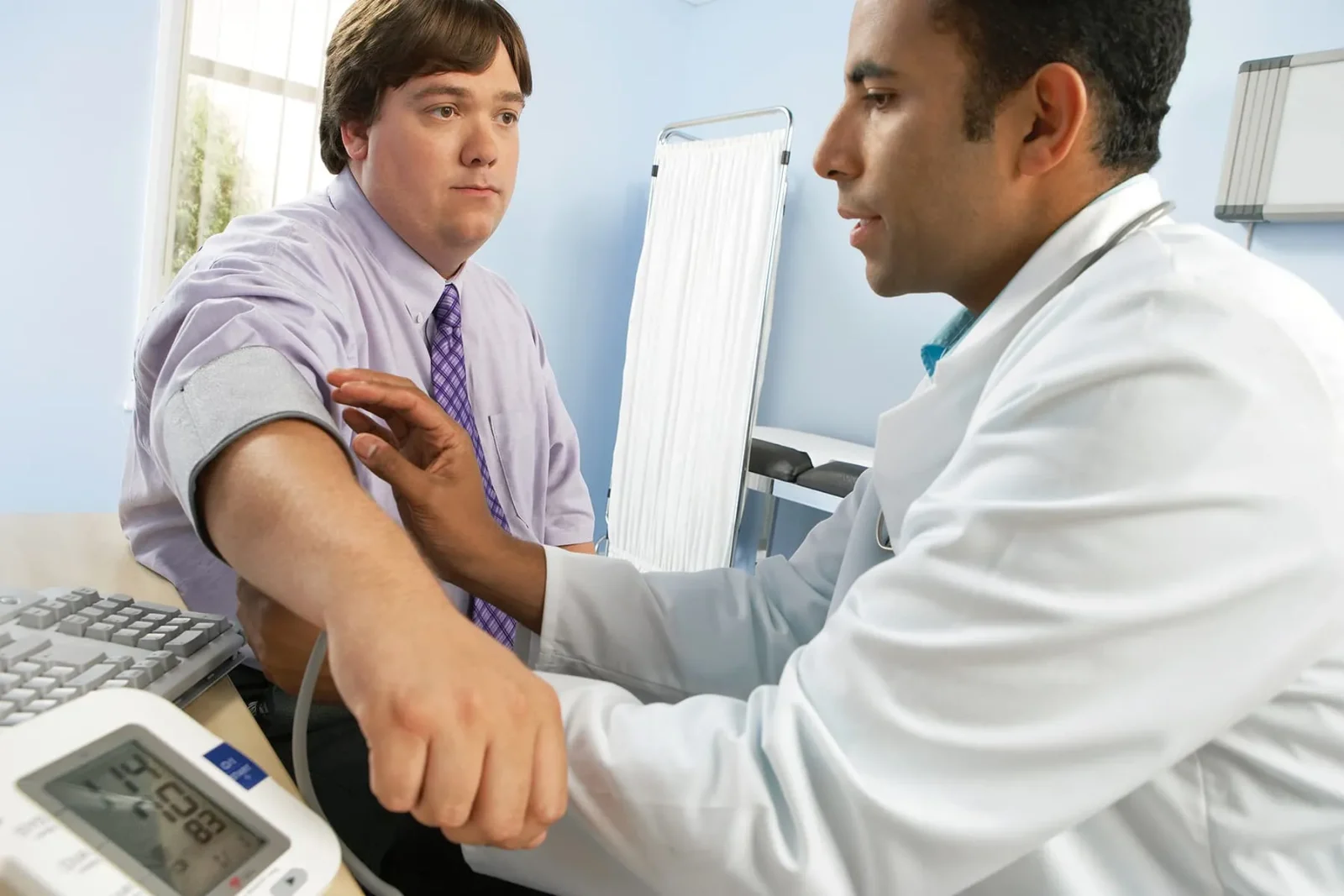
Blood pressure can behave differently at home and in the clinic. Some people have high readings only during medical visits because of anxiety. This is often called white-coat hypertension. Others have normal clinic readings but high readings at home or work. This may be masked hypertension.
Both patterns matter. White-coat hypertension should not be dismissed completely because some people may still have higher long-term risk. Masked hypertension can be even more concerning because it may be missed during routine appointments.
Home blood pressure monitoring can help, but only if done correctly. A poor-quality machine, wrong cuff size or rushed technique can create misleading readings. Upper-arm devices are usually preferred over wrist devices, unless a clinician advises otherwise.
A good home BP routine includes sitting quietly, keeping the arm supported, avoiding talking and taking readings at agreed times. Patients should record the date, time, reading and any unusual situation such as stress, pain, poor sleep or missed medicine.
It is not useful to measure BP repeatedly every few minutes in fear. Anxiety can raise the reading further and create a cycle of panic. Doctors usually need a planned set of readings over several days.
Madhavbaug’s doctor-supervised high BP care can be used as a contextual resource for readers who need structured BP monitoring and lifestyle support.
Home readings should not lead to self-adjustment of medicine unless the patient has a written plan from the doctor. One low reading does not mean treatment should stop. One high reading does not mean an extra tablet should be taken without advice.
Lifestyle factors should be reviewed alongside readings. Salt intake, weight, alcohol, sleep, stress, pain, kidney health and medicines can affect BP. Some painkillers and decongestants may raise BP in certain people.
Home monitoring is most useful when shared with the clinician. A written log helps the doctor see patterns and make safer decisions.
Readers can also learn about Madhavbaug clinics and hospitals for broader care information.
Medical disclaimer: Severe symptoms with high BP, such as chest pain, weakness, confusion or breathlessness, need urgent care.