

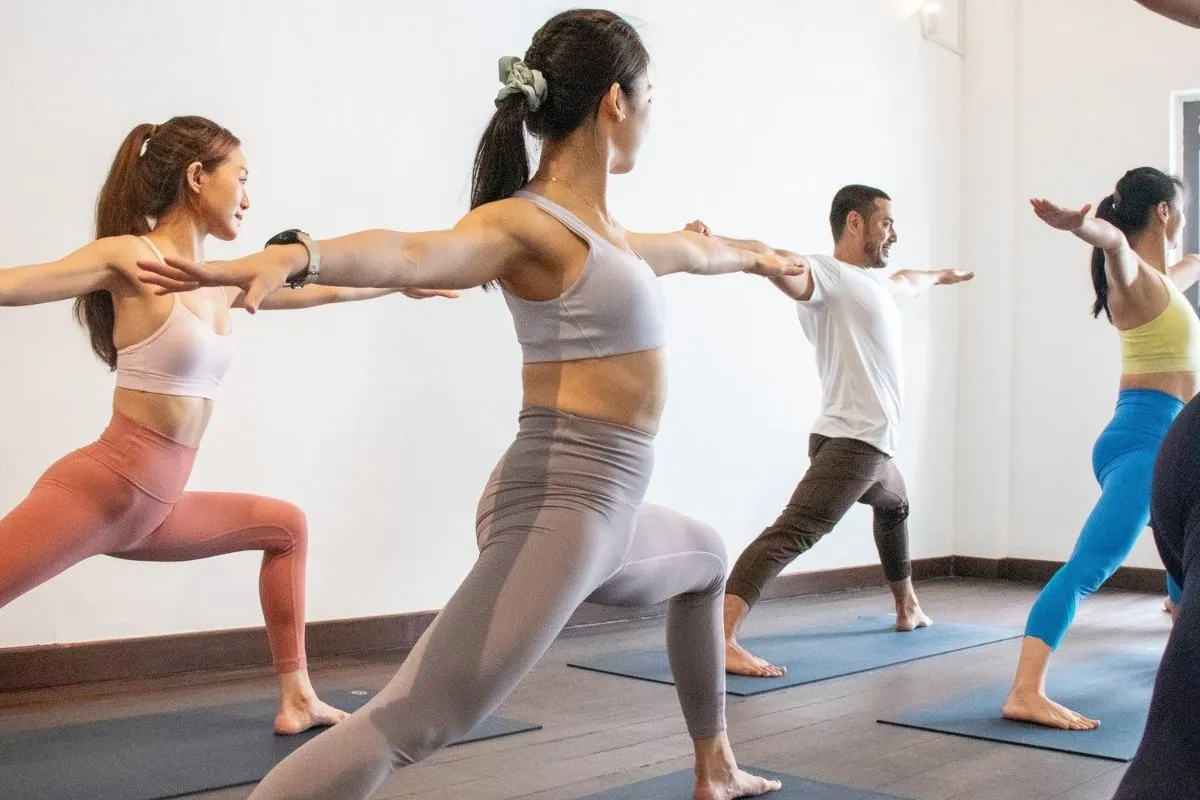
Life in Singapore is efficient, connected and full of opportunity, but that pace also creates a very specific kind of pressure. For many working adults, parents, students and business owners, choosing a yoga studio Singapore is no longer only about fitness. It is becoming a deliberate response to stress, long screen hours, limited recovery time and the need for a more grounded weekly routine. Urban stress does not always appear as obvious burnout. Sometimes it shows up as shallow breathing, tight shoulders, poor sleep, irritability, low patience, headaches or the feeling of being tired even after resting. This is why yoga studio habits are changing. People are not simply looking for a place to stretch. They are looking for a structured environment where the body can downshift, the mind can settle and healthy movement can become part of real life.
The modern Singapore stress pattern
Singapore’s urban rhythm is shaped by full workdays, digital demands, family responsibilities, crowded schedules and constant access to messages. Many people move from one obligation to the next without much transition time. Even leisure can become tightly planned, which makes true rest difficult. When this routine continues for weeks, the nervous system can remain alert even outside work. A person may leave the office, but the body can still behave as if it is on standby. The jaw remains tight. The shoulders stay lifted. The breathing remains short. Over time, these patterns can affect posture, sleep quality, digestion, concentration and emotional balance. Yoga supports stress recovery because it addresses the body directly. Instead of asking the mind to calm down on command, it uses breath, movement and attention to guide the body into a steadier state. This makes it useful for people who find it difficult to relax through sitting still alone.
Why studio practice is replacing casual home practice for many people
Home practice has value, but urban homes are often full of distractions. Work laptops, family noise, household tasks and phones can interrupt the intention to practise. Even when a person starts a session at home, it may be shortened, skipped or treated as less important than everything else happening around them. A studio gives the practice a clear boundary. When someone walks into a yoga room, the purpose is already defined. The phone is usually put away. The class has a start and end time. The teacher holds the structure. Other students create a shared sense of commitment. That structure is especially valuable for stressed people because stress often reduces decision-making energy. Instead of deciding what to practise, how long to practise and whether to continue, the student can follow a guided class. This lowers friction and makes consistency easier.
Stress recovery through breath awareness
One of the biggest shifts in studio habits is the growing interest in breath-led practice. Many people now understand that breathing patterns are closely connected to stress. Shallow breathing can reinforce tension, while slower and more deliberate breathing can help the body feel safer. In a yoga class, breath is not treated as an afterthought. Students are encouraged to notice how they breathe when entering a posture, holding effort or moving through discomfort. This awareness is practical. A person who learns to slow the breath in class may later use the same skill before a difficult meeting, during a long workday or while winding down at night.
How breath work supports daily resilience
Breath awareness can help with several real-life situations:
- Reducing the feeling of being constantly rushed
- Improving focus during mentally demanding tasks
- Creating a pause before reacting emotionally
- Supporting better sleep preparation
- Helping the body release unnecessary muscular tension
These benefits are not dramatic in a single session, but they build when practice becomes regular. Over time, the breath becomes a tool that students can use outside class.
Physical tension as a sign of urban overload
Many Singaporeans spend long hours sitting, looking at screens or travelling between responsibilities. These routines create predictable tension in the neck, shoulders, lower back, hips and wrists. The body adapts to repeated positions, which means stiffness can become normal without being noticed. Studio-based yoga helps people identify these patterns. A teacher may cue students to notice whether one hip is tighter than the other, whether the shoulders are gripping or whether the spine is collapsing during seated work. This awareness helps students connect daily habits with physical discomfort. It is not just about becoming flexible. It is about restoring better movement options. When the body moves more freely, everyday activities feel less draining. The person also becomes more aware of posture during the day, which can reduce the build-up of unnecessary strain.
Why class environment matters for mental reset
A well-managed yoga studio creates an atmosphere that is difficult to recreate in a busy home or office. Lighting, temperature, sound, spacing and class flow all influence the nervous system. A calm environment helps students shift out of work mode and into body awareness. The environment also protects attention. In a world where many people are interrupted constantly, an uninterrupted class can feel rare. This uninterrupted time is one reason people begin to treat studio practice as mental hygiene, not just physical exercise.
The move towards specialised class choices
Urban stress does not affect everyone in the same way. Some people need active movement to release restlessness. Others need slower practices to recover from exhaustion. Some need mobility work because desk habits have made the body stiff. This is why class variety matters. Instead of attending any available class, people are becoming more intentional. They may choose a stronger class when they feel mentally heavy, a slower class when sleep has been poor or a breath-focused session when stress feels high. This ability to match practice with real-life needs makes yoga more sustainable.
The role of consistent guidance
People under stress may push too hard without realising it. They may treat yoga as another task to perform well, which can defeat the purpose. Good instruction helps prevent this. Teachers can remind students to soften the face, bend the knees, choose a suitable variation or return to the breath. This guidance helps students build a healthier relationship with progress. It teaches them that the value of yoga is not measured by extreme poses. It is measured by how well the practice supports the body and mind.
Why community matters without needing to be social
Not every student wants a highly social fitness environment. However, being in a shared practice space can still feel supportive. Practising beside others who are also choosing to slow down can create a quiet sense of belonging. This is important in urban life, where many people are surrounded by others but still feel isolated in their stress. A studio community does not need to be loud to be meaningful. Sometimes it is enough to feel that others are also making time for wellbeing.
How a mature wellness space supports this change
As wellness expectations become more mature, people are looking for spaces that feel focused, polished and intentional. Yoga Edition reflects this shift by offering a practice environment that supports consistency, movement quality and a calmer relationship with wellbeing. This kind of studio setting matters because stress recovery is not a one-time solution. It requires a routine that people can return to through busy seasons, work pressure and lifestyle changes.
A more realistic approach to urban wellbeing
The rise of studio-based yoga habits in Singapore shows that people are becoming more practical about stress. They are not waiting for long holidays or complete lifestyle changes before caring for themselves. They are building smaller, repeatable routines that fit into city life. Yoga offers a way to pause without disconnecting from responsibilities. It helps people return to the body, breathe with more awareness and move through tension with patience. In a city that moves quickly, that kind of practice can become one of the most useful tools for staying balanced.