

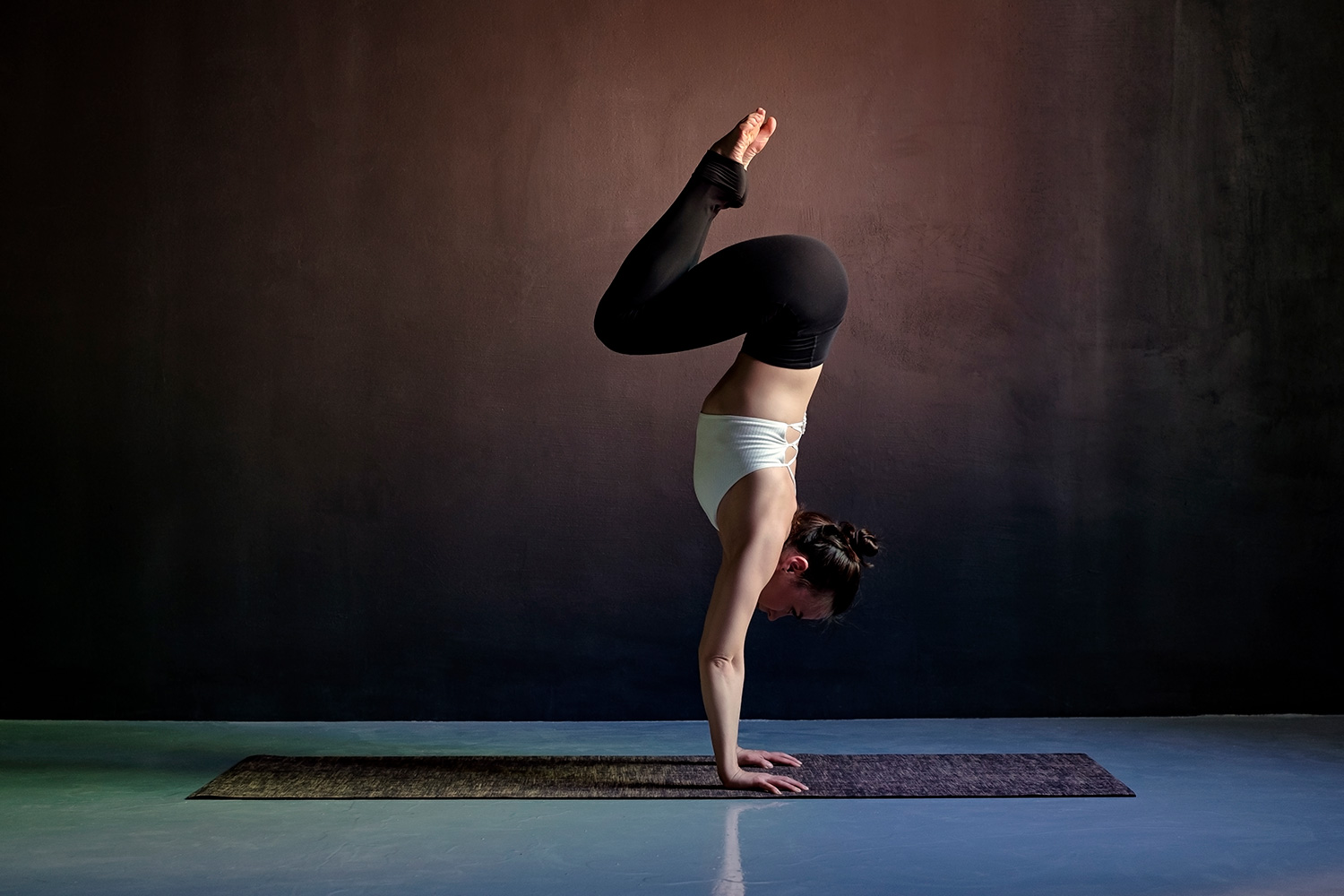
Modern life often demands a fast-paced routine, leaving many disconnected from their bodies. While static forms of exercise serve their purpose, dynamic movement styles like vinyasa yoga offer a deeper, more holistic experience. This practice goes beyond flexibility. It bridges breath, movement, and mindfulness, creating an integrated path toward body awareness and emotional well-being.
What Makes Vinyasa Yoga Different?
Vinyasa yoga is rooted in synchronising breath with movement. Unlike static yoga styles where poses are held for extended periods, Vinyasa encourages a continuous, flowing transition between postures. Each inhalation and exhalation marks a change or movement, cultivating a meditative rhythm that makes you more aware of your body’s natural energy.
This seamless flow helps practitioners:
-
Build a strong mind-body connection
-
Improve balance and agility
-
Encourage deep and intentional breathing
-
Shift from mechanical movement to embodied awareness
From Stillness to Movement: The Evolution of Practice
For many yoga practitioners, especially those starting with static or Hatha yoga, the introduction of movement in Vinyasa can feel unfamiliar at first. But it is precisely this transition from stillness to movement that becomes transformative.
How movement develops awareness:
-
Proprioception Enhancement
Proprioception refers to your body’s ability to sense its position in space. As you move through sequences like Sun Salutations, Warrior Flows, or Balance Transitions, your brain becomes more attuned to spatial orientation. -
Muscle Memory Activation
Vinyasa’s repetitive flows embed muscle patterns, making posture alignment more intuitive over time. -
Flow-State Induction
With practice, Vinyasa trains the mind to enter a ‘flow state’ — a sense of complete absorption where distractions melt away. This state not only boosts awareness but also reduces stress levels.
Breath as the Anchor
A central aspect of Vinyasa yoga is breath control or pranayama. Each movement is tied to inhalation or exhalation. This breath-movement relationship trains the nervous system to remain calm even during physically challenging postures.
For example:
-
Inhaling during upward movements (like rising arms in Mountain Pose)
-
Exhaling during grounding postures (such as folding into a Forward Bend)
Over time, breath awareness expands into daily life. You begin noticing your breathing during meetings, workouts, or even stressful moments, grounding you in the present.
Vinyasa Yoga and Emotional Awareness
The body stores tension, fatigue, and even emotional trauma in areas such as the hips, shoulders, and jaw. Vinyasa’s flowing movements gradually release these tight spaces. As the body opens up, so do emotions.
Many practitioners report:
-
Feeling lighter emotionally after a flow session
-
Releasing tears or laughter without a clear cause
-
Gaining clarity or insight into personal blocks
These responses are natural. They reflect a deeper connection with the self, a hallmark of consistent Vinyasa practice.
Modifying the Flow for All Levels
You don’t have to be a seasoned yogi to benefit from Vinyasa. Teachers often offer modifications and props to make the practice accessible.
Here are ways Vinyasa can be adapted:
-
Beginners can use blocks for lunges or step back instead of jumping
-
Seniors may practise seated flows with breath synchronisation
-
Athletes can incorporate power variations for added intensity
-
Busy professionals might opt for 20-minute sessions focusing on breath and core
Vinyasa is inherently flexible. Whether you’re aiming to build strength, reduce anxiety, or simply move mindfully, it meets you where you are.
Connecting Body, Breath, and Intention
One of the most powerful transformations in Vinyasa practice is learning to set an intention. This intention becomes the silent thread guiding your movement.
For instance, someone healing from burnout may set an intention for compassion. With each inhale and exhale, this feeling grows stronger, reinforcing a new mental and emotional narrative.
These elements — movement, breath, and intention — culminate in a profound experience that reconnects you with your inner rhythms.
Singapore’s Growing Vinyasa Community
As the demand for mindful living rises, many Singaporeans are turning to yoga studios that offer structured yet fluid classes. Institutions like Yoga Edition have become go-to places for those looking to explore Vinyasa yoga in a supportive environment. These studios combine expert guidance with serene settings, helping practitioners grow steadily and safely.
Real-Life Benefits Shared by Practitioners
Let’s take a look at a few personal experiences from everyday Singaporeans:
-
Wei Lin, 32, Consultant
“Vinyasa helped me manage work stress. The moving sequences feel like dancing with purpose.” -
Kumar, 41, Fitness Coach
“I was sceptical at first, but after three months, my posture, endurance, and even my mindset shifted positively.” -
Charmaine, 28, Graphic Designer
“I never realised how shallow my breathing was until I started linking breath to motion. Now, I’m more grounded.”
These accounts highlight the unique value Vinyasa adds beyond typical exercise.
Frequently Asked Questions
Q. I’ve never done yoga before. Can I start directly with Vinyasa?
A. Yes, absolutely. Beginners can start with slower-paced classes or even a modified version of Vinyasa. As long as you listen to your body and follow a certified teacher, you’ll be able to build the rhythm and awareness gradually.
Q. How often should I practise Vinyasa yoga for visible results?
A. Practising 2–3 times a week is sufficient for most people to experience noticeable improvements in flexibility, balance, and focus. However, even once a week can make a difference when practised mindfully.
Q. What should I wear or bring for my first Vinyasa class?
A. Wear breathable, flexible clothing. Bring a yoga mat, a water bottle, and a small towel. Some studios also provide mats and props, so check beforehand.
Q. Is Vinyasa yoga suitable during pregnancy or injury?
A. With modifications and professional guidance, Vinyasa can be practised during pregnancy or while recovering from minor injuries. However, always consult a healthcare professional before starting.
Q. Why do I feel emotional during or after a Vinyasa class?
A. Movement releases tension stored in the body. As tight areas open up, they often trigger emotional release. This is a natural sign of healing and awareness deepening.