

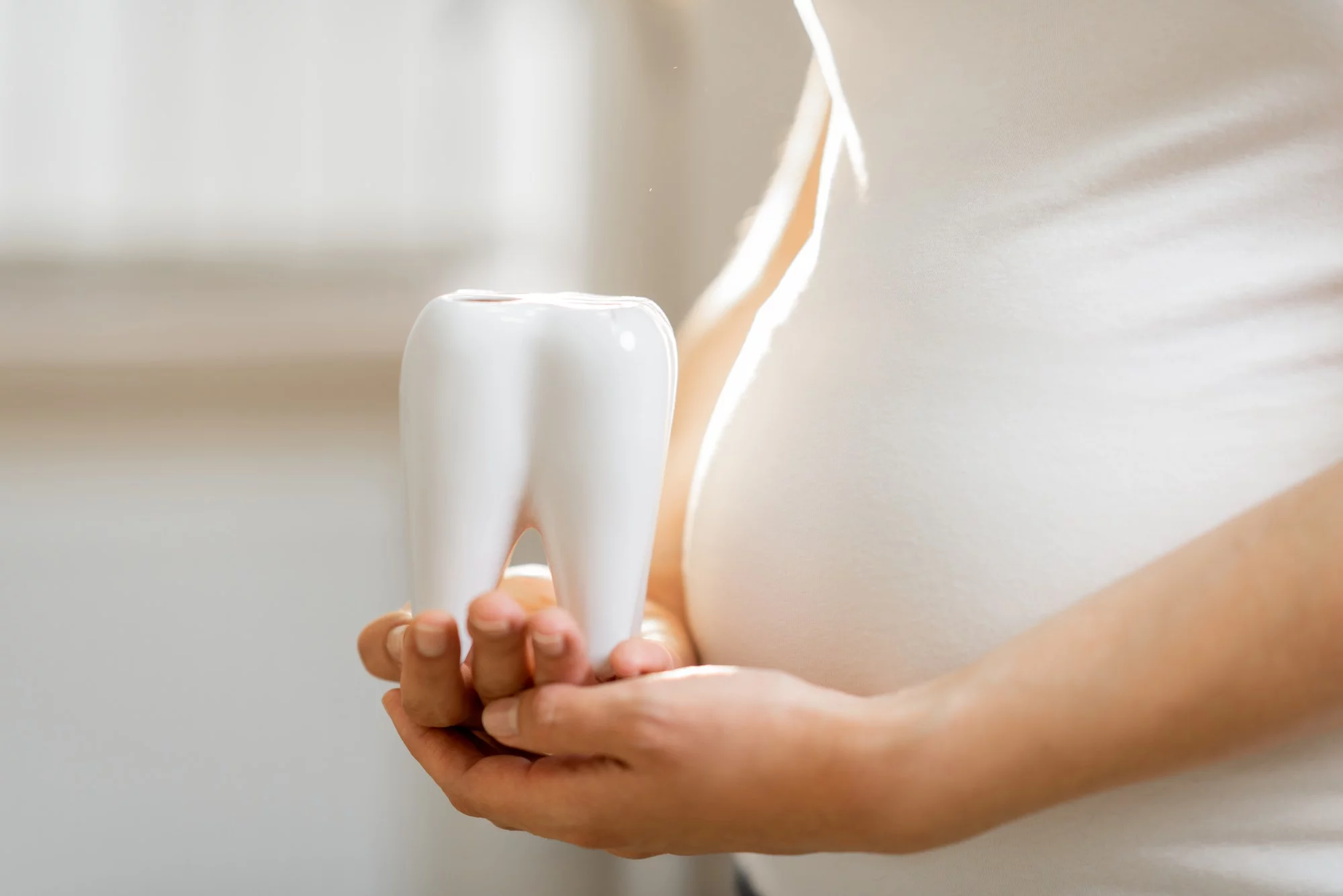
Pregnancy is a period of profound transformation, marked by significant physiological, hormonal, and behavioral changes. While expectant mothers naturally focus on prenatal care, fetal development, and preparing for childbirth, oral health frequently gets overlooked. However, the systemic changes that support a developing baby have a direct, measurable impact on the oral cavity.
Neglecting dental care during these nine months can lead to complications that affect both the mother and the infant. Understanding how pregnancy alters the oral environment allows expectant mothers to take proactive steps to protect their teeth and gums during this critical life stage.
The Hormonal Shift: Estrogen, Progesterone, and the Gums
The primary drivers of physiological changes during pregnancy are hormones, specifically estrogen and progesterone. The levels of these hormones increase dramatically to support the pregnancy, but they also alter how the body responds to dental plaque, the sticky film of bacteria that constantly forms on teeth.
High levels of progesterone increase blood flow to the gingival tissues, making the gums significantly more sensitive to irritants. At the same time, these hormonal changes alter the local immune response in the mouth, making it harder for the body to fight off standard oral bacteria.
As a result, even a small amount of plaque can trigger an exaggerated inflammatory response. This condition is so prevalent that it has its own clinical designation: pregnancy gingivitis.
Navigating Pregnancy Gingivitis and Pyogenic Granulomas
Pregnancy gingivitis typically develops during the second trimester and can persist until childbirth. If left unmanaged, it can cause chronic discomfort and progress to more severe forms of periodontal disease.
Symptoms of Pregnancy Gingivitis
-
Gums that bleed easily: Bleeding is especially noticeable during brushing, flossing, or eating hard foods.
-
Redness and swelling: The gum tissue loses its healthy pink, firm appearance, becoming bright red, puffy, and tender to the touch.
-
Persistent bad breath: The accumulation of bacteria in inflamed gum pockets can cause ongoing halitosis.
Pregnancy Tumors (Pyogenic Granulomas)
In some cases, the combination of hormonal surges and local irritation causes a localized, non-cancerous overgrowth of gum tissue known as a pregnancy tumor or pyogenic granuloma. These swellings typically appear between the teeth during the second trimester.
They are highly vascular, meaning they bleed easily and can look alarming. While they are completely benign and usually disappear on their own after delivery, they can interfere with chewing and speech, occasionally requiring surgical removal by a dentist during the pregnancy if they cause severe discomfort.
The Acid Challenge: Morning Sickness and Enamel Erosion
Another major challenge to oral health during pregnancy is the increased frequency of acid exposure, primarily due to morning sickness, nausea, and severe gastrointestinal reflux (GERD).
Stomach acid is highly acidic, with a very low pH level. When vomiting occurs frequently, this powerful acid coats the teeth, rapidly eroding the hard, protective outer layer of enamel.
Once enamel is lost, it cannot regenerate, leaving the softer underlying layer of the tooth, called dentin, exposed. This leads to severe tooth sensitivity to hot, cold, or sweet stimuli and makes the teeth highly vulnerable to rapid decay.
Essential Post-Vomiting Oral Care
Many women naturally want to brush their teeth immediately after vomiting to clear the taste and smell. However, doing so can cause severe damage.
The stomach acid softens the enamel instantly, and brushing right away physically scrubs that softened enamel off the tooth surface. Instead, expectant mothers should follow this protocol:
-
Immediately rinse the mouth thoroughly with plain water or a mixture of water and a teaspoon of baking soda to neutralize the acid.
-
Use a gentle, alcohol-free fluoridated mouthwash to help re-mineralize the enamel.
-
Wait at least 30 minutes before brushing the teeth with a soft-tissued toothbrush to allow the saliva to naturally harden the enamel again.
Changes in Dietary Habits and Cavity Risks
Pregnancy frequently brings about distinct changes in eating patterns, including food cravings and the need to eat smaller, more frequent meals throughout the day to combat nausea or manage low blood sugar.
While grazing is often a necessity, it presents a continuous challenge for oral health. Every time a person eats, especially foods high in carbohydrates, starches, or sugars, the bacteria in the mouth produce acid as a byproduct. This acid attacks the teeth for about 20 minutes after consumption.
When an expectant mother snacks continuously throughout the day, her teeth are subjected to a prolonged, near-constant acid bath. Combined with potential fatigue that might cause a relaxation in regular brushing and flossing routines, this environment creates a perfect storm for the rapid development of dental caries, or cavities.
The Link Between Periodontal Disease and Preterm Birth
The consequences of poor oral health during pregnancy extend far beyond maternal discomfort. Over the past few decades, numerous clinical studies have highlighted a significant correlation between chronic maternal periodontal (gum) disease and adverse pregnancy outcomes, such as preterm birth and low birth weight.
Advanced periodontal disease is a chronic, systemic bacterial infection. The destructive bacteria residing in deep gum pockets can enter the maternal bloodstream through the inflamed, bleeding tissues. Once in the circulatory system, these bacteria and the inflammatory proteins the body produces to fight them can travel to the placenta and uterus.
This systemic inflammation can trigger the premature production of prostaglandins, chemicals that signal the body to begin labor. Managing gum disease through professional dental cleanings during pregnancy is not just about oral hygiene; it is an essential component of protecting the unborn child.
Safe Dental Care Practices During Pregnancy
A common misconception is that dental visits are unsafe during pregnancy. In reality, preventative and routine dental care is entirely safe and highly recommended.
The American Academy of Periodontology and the American Congress of Obstetricians and Gynecologists actively encourage women to maintain their dental appointments.
-
First Trimester: This phase is critical for fetal organ development. Routine cleanings and examinations are safe, but elective cosmetic procedures should be postponed. Emergency treatments for infections or severe pain are always performed to protect the mother from systemic stress.
-
Second Trimester: This is considered the ideal time for necessary dental treatments, such as fillings, root canals, or deep cleanings. The mother is typically past the stage of morning sickness, and the physical discomfort of sitting in a dental chair is minimal.
-
Third Trimester: While dental care remains safe, sitting in a dental chair for long periods can become physically uncomfortable for the mother. Dentists often keep appointments shorter and position the patient slightly on her left side to avoid putting pressure on the vena cava, a major blood vessel.
-
X-Rays and Anesthesia: Modern digital dental X-rays use exceptionally low doses of radiation, and when paired with protective lead aprons that cover the abdomen and thyroid, the risk to the fetus is virtually nonexistent. Local anesthetics, such as lidocaine, are safe for use during pregnancy as they do not adversely affect development when administered in standard clinical doses.
Frequently Asked Questions
Is it true that the baby takes calcium from the mother’s teeth?
No, this is a widespread myth. The old adage “a tooth lost for every baby” is scientifically inaccurate. A developing fetus draws the calcium it needs for bone and tooth development directly from the mother’s dietary intake or, if necessary, from the mother’s skeletal bones. Calcium stored in adult teeth is crystalline and stable; it cannot be reabsorbed or pulled out by the body to supply a pregnancy.
What is the best type of toothpaste to use during pregnancy if the taste triggers nausea?
If the strong mint flavor or foaming action of standard toothpaste triggers your gag reflex or morning sickness, you can switch to a mild-flavored toothpaste, such as a kids’ berry flavor, or even an unflavored toothpaste. The most important factor is ensuring the toothpaste still contains fluoride to protect your enamel from decay during this vulnerable time.
Can I undergo professional teeth whitening while I am pregnant?
It is highly recommended to postpone cosmetic dental treatments, including professional or over-the-counter teeth whitening, until after delivery. While there is no definitive evidence proving whitening agents harm the fetus, cosmetic procedures are non-essential. Additionally, because pregnancy hormones increase gum sensitivity, whitening can cause severe, unnecessary chemical irritation to the gingival tissues.
Why do my teeth feel loose during pregnancy, and will they fall out?
During pregnancy, high levels of progesterone and estrogen affect the ligaments and bones that support your teeth. These hormones temporarily loosen the collagen fibers within the periodontal ligament, the microscopic tissue hammock holding the tooth in the jawbone. This can create a slight, alarming feeling of mobility. As long as you do not have underlying bone loss from severe gum disease, this loosening is temporary and reverses completely after childbirth.
Are electric toothbrushes safe to use when experiencing pregnancy gingivitis?
Yes, electric toothbrushes are highly safe and often more effective than manual toothbrushes for managing pregnancy gingivitis. The oscillating or sonic movements remove plaque with less manual pressure, which can help clean irritated gums efficiently without causing excessive trauma. Ensure you use a soft or extra-soft brush head to prevent scratching the sensitive, swollen tissues.
How soon after giving birth will my pregnancy-related gum issues resolve?
For most women, pregnancy gingivitis and localized gum swelling begin to subside rapidly within a few weeks after delivery, as hormone levels return to their baseline states. However, this recovery depends heavily on your oral hygiene habits. If plaque and tartar were allowed to accumulate heavily during the pregnancy, the inflammation may persist as standard gingivitis until you receive a professional dental cleaning.