

For centuries, the primary objective of conventional medicine has been to manage symptoms and slow down the progression of chronic diseases. When an organ fails, a joint wears out, or tissue is severely damaged, clinicians rely on lifetime pharmaceutical management, mechanical support, or invasive organ transplantation. While these interventions have dramatically extended human life expectancy, they rarely cure the underlying structural damage.
A profound paradigm shift is currently unfolding across the healthcare landscape. Regenerative medicine is transitioning the core philosophy of healthcare from treating chronic disease states to completely reversing them. By harnessing the body’s innate biological mechanisms, engineering living tissues, and utilizing cellular signaling pathways, regenerative treatments aim to repair, replace, and restore damaged cells, tissues, and organs. This rapidly evolving field is no longer a distant futuristic concept; it is actively rewriting the rules of modern oncology, orthopedics, cardiology, and neurology.
The Biological Foundations of Regenerative Therapy
To understand how regenerative medicine operates, one must look at how the human body naturally repairs itself. When an injury occurs, the body initiates a cascade of cellular events designed to clear debris and mend tissue. However, human regenerative capacity is limited compared to certain other species. Regenerative medicine seeks to amplify, accelerate, and direct these natural healing pathways to overcome those evolutionary limitations.
The science relies on isolating the body’s most potent biological building blocks and delivering them directly to the site of injury or disease. This process effectively jump-starts a localized healing response that conventional treatments cannot replicate.
Core Pillars Driving the Regenerative Revolution
The field of regenerative medicine is anchored by several distinct yet overlapping scientific disciplines. Each pillar leverages a different aspect of cellular biology and engineering to achieve tissue restoration.
1. Stem Cell Therapy and Cellular Reprogramming
Stem cells are the unprogrammed master cells of the human body. They possess the unique ability to divide continuously and differentiate into specialized cell types, such as heart, bone, or nerve cells.
-
Mesenchymal Stem Cells: Frequently harvested from bone marrow or adipose tissue, these cells migrate to damaged areas and secrete anti-inflammatory proteins that facilitate localized tissue healing.
-
Induced Pluripotent Stem Cells: A groundbreaking advancement where adult specialized cells, such as skin cells, are genetically reprogrammed back into an embryonic-like state. These cells can then be directed to grow into entirely new, healthy tissue layers, completely bypassing the ethical concerns associated with embryonic tissue.
2. Tissue Engineering and 3D Bioprinting
Tissue engineering combines scaffold materials with living cells to create functional, complex structures outside the body.
With the advent of 3D bioprinting, scientists can now use computerized blueprints to deposit layer upon layer of cellular “bio-ink.” This allows for the construction of precise anatomical structures, including blood vessels, skin grafts, and cartilage patches. The ultimate goal of this technology is to print fully operational human organs, such as kidneys and hearts, utilizing a patient’s own cells to eliminate the risk of organ transplant rejection.
3. Acellular Therapies: Exosomes and Secretomes
Modern research reveals that many benefits attributed to cellular therapies actually stem from how cells communicate. Cells release microscopic extracellular vesicles known as exosomes, which contain a concentrated payload of growth factors, signaling proteins, and genetic material.
By isolating these exosomes, clinicians can deliver the therapeutic instructions of stem cells directly to damaged tissues without actually introducing foreign cellular material. This reduces regulatory hurdles, decreases the risk of unwanted immune reactions, and simplifies the preservation and delivery of regenerative therapies.
Clinical Applications Transforming Patient Outcomes
The therapeutic potential of these technologies is manifesting across various medical specialties, offering hope to individuals with previously untreatable conditions.
Orthopedics and Musculoskeletal Medicine
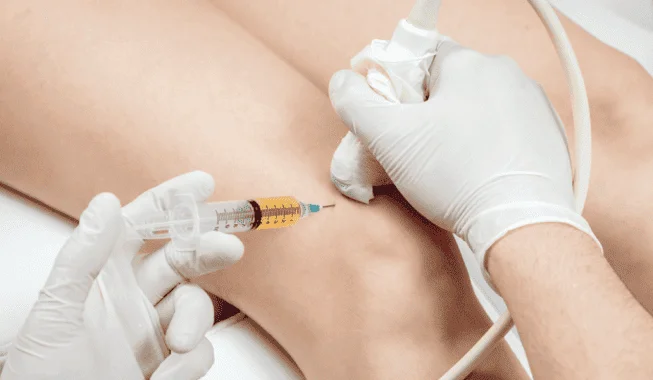
Degenerative joint diseases, such as osteoarthritis, have long been considered irreversible conditions that inevitably culminate in total joint replacement surgery. Regenerative treatments are challenging this trajectory. Orthopedic specialists utilize platelet-rich plasma and concentrated bone marrow aspirate to treat severe cartilage defects, tendon tears, and ligament damage. These concentrated biological agents reduce chronic inflammation and stimulate local chondrocytes to synthesize new, functional cartilage matrices, delaying or entirely preventing the need for prosthetic implants.
Cardiovascular Regeneration
The human heart possesses an incredibly low natural regeneration rate. When a patient survives a myocardial infarction, the dead heart muscle is replaced by non-functional scar tissue, which often leads to chronic heart failure. Regenerative medicine aims to heal this damaged muscle. Researchers are utilizing cardiac patch technology, where sheets of bioengineered heart cells are physically placed over scarred regions to integrate with existing tissue, restore electrical conductivity, and improve the blood-pumping capacity of the heart.
Neurology and Neurodegenerative Disorders
The central nervous system has historically been viewed as incapable of significant repair. Conditions like Parkinson’s disease, Alzheimer’s disease, and traumatic spinal cord injuries cause progressive, devastating loss of neurons.
Regenerative approaches are working to replace these lost cells. Clinical trials are underway involving the transplantation of neural precursor cells directly into damaged areas of the brain and spinal cord. Early data indicates these cells can successfully integrate into existing neural networks, establish new synaptic connections, and restore lost motor or cognitive functions.
Overcoming Obstacles to Widespread Integration
Despite the immense promise, the path toward making regenerative treatments the standard of care worldwide involves navigating significant biological, regulatory, and financial hurdles.
-
Standardization and Quality Control: Living cells are highly dynamic and variable. Standardizing dosages, isolating pure cell populations, and ensuring consistent therapeutic potency across different manufacturing batches remain highly complex technical challenges.
-
Regulatory Oversight: The rapid acceleration of cellular therapies has outpaced regulatory frameworks, leading to the rise of unverified clinics offering unproven treatments. Organizations like the Food and Drug Administration are continuously refining guidelines to ensure safety without stalling crucial scientific innovation.
-
High Production Costs: Developing customized cellular therapies and bioengineered tissues requires sophisticated laboratory infrastructure and highly specialized personnel. Reducing production costs is essential to make these life-changing therapies accessible to the broader public rather than just a privileged subset of patients.
As bioengineering techniques mature and clinical trial data accumulates, regenerative medicine will continue to solidify its place as a cornerstone of modern healthcare. The ability to fundamentally rebuild the human body from the cellular level outward represents the next great evolution in human prosperity and clinical science.
Frequently Asked Questions
What is the functional difference between platelet-rich plasma and stem cell therapy
Platelet-rich plasma is obtained by spinning a patient’s own blood in a centrifuge to isolate a high concentration of platelets, which contain growth factors that accelerate natural healing. It does not contain actual stem cells. Stem cell therapy, conversely, utilizes undifferentiated cells harvested from bone marrow, fat tissue, or umbilical cord tissue that possess the unique ability to transform into entirely new, specialized tissue cells.
How does the risk of rejection compare between bioprinted tissues and traditional donor organs
Traditional donor organ transplantation carries a very high risk of immune rejection, requiring patients to take powerful immunosuppressive drugs for the rest of their lives. Bioprinted tissues significantly mitigate or eliminate this risk because they are constructed using the patient’s own harvested cells. The patient’s immune system recognizes the engineered tissue as self rather than a foreign invader.
Can regenerative therapies be utilized to treat chronic autoimmune diseases
Regenerative medicine is showing significant promise in treating autoimmune disorders like multiple sclerosis, rheumatoid arthritis, and Crohn’s disease. Mesenchymal stem cells possess potent immunomodulatory properties. When introduced into the body, they can systematically interact with malfunctioning immune cells, suppressing the damaging hyper-inflammatory response and allowing compromised tissues a chance to heal.
What role do biomaterials play as scaffolds in tissue engineering
Biomaterials serve as the temporary structural framework, or scaffold, that guides cellular growth and organization. These scaffolds mimic the extracellular matrix of the target tissue, providing vital mechanical support and biochemical cues that instruct cells where to attach, multiply, and differentiate. Over time, as the living cells secrete their own natural matrix, the bioengineered scaffold safely biodegrades within the body.
How is the concept of cellular senescence addressed in regenerative medicine
Cellular senescence refers to a state where aging cells stop dividing but refuse to die, secreting toxic inflammatory molecules that damage surrounding healthy tissue. Regenerative medicine addresses this by utilizing senolytic therapies—compounds designed to selectively eliminate these dysfunctional senescent cells. Removing this biological debris clears the path for newly introduced stem cells to repair the area effectively.
Are there specific age restrictions for patients seeking autologous regenerative treatments
Autologous treatments use the patient’s own cells. While there is no strict chronological age limit, the overall health and potency of an individual’s stem cells naturally decline with advanced age. A younger patient typically has more robust, rapidly dividing stem cells than an elderly patient. In cases where a patient’s own cells are insufficient, clinicians may look toward allogeneic options, which utilize healthy, screened donor cells.
How long does it typically take to see functional results after a regenerative procedure
Unlike corticosteroid injections or surgical interventions that provide immediate mechanical alteration or pain relief, regenerative therapies require time to work. Because the process relies on cellular division, tissue remodeling, and extracellular matrix deposition, patients typically begin to notice measurable structural and functional improvements between six weeks and three months following the procedure, with continued healing progressing for up to a year.