

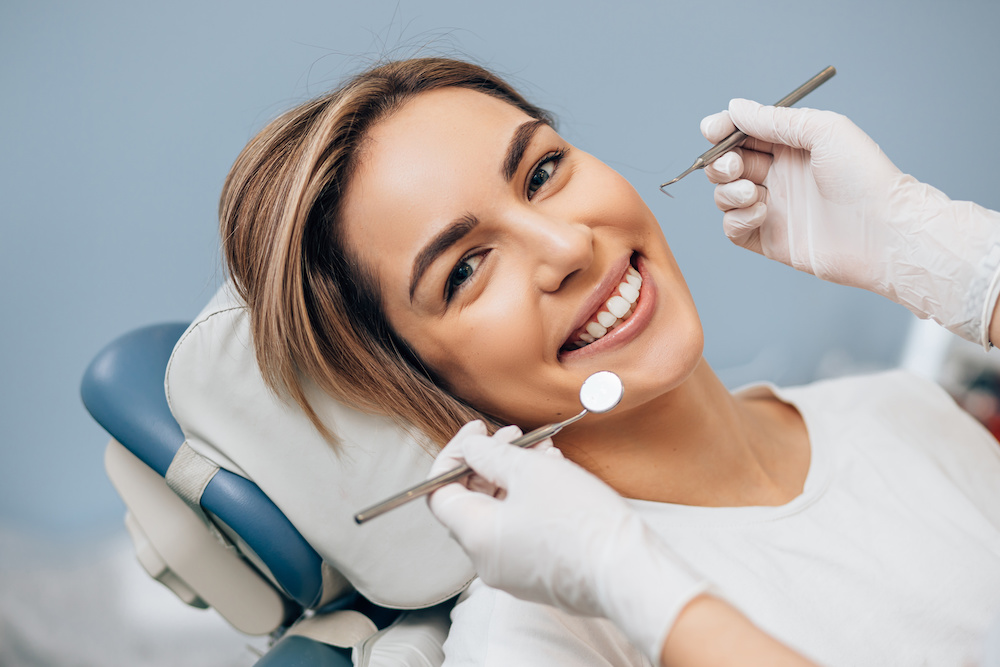
For generations, the mere mention of a dental appointment has been enough to trigger anxiety in millions of people. Dental phobia is a well-documented phenomenon, often rooted in past experiences of discomfort or the intimidating sounds and sights of a traditional dental clinic. However, the landscape of oral healthcare has undergone a profound transformation.
Today, the integration of advanced technology and a deeper understanding of patient psychology have paved the way for pain-free dental care. Modern dentistry prioritizes patient comfort just as much as clinical outcomes. By leveraging innovative tools and techniques, dental professionals can now perform complex procedures with minimal to no discomfort, effectively dismantling the age-old stigma associated with the dentist’s chair.
The Evolution of Anesthesia: Computer-Controlled Delivery
One of the most significant sources of dental anxiety is the local anesthetic injection itself. The fear of needles often prevents patients from seeking necessary care. Modern clinics are addressing this head-on with Computer-Assisted Injection Systems (CAIS), often referred to colloquially as the wand.
Traditional injections cause pain not just from the needle puncture, but from the rapid pressure of the anesthetic fluid entering the delicate gum tissue. Computer-controlled systems solve this problem by regulating the flow rate of the numbing agent.
-
Precise Flow Control: The system delivers the anesthetic at a slow, steady, and painless rate that stays below the patient’s pain threshold.
-
Targeted Numbing: This technology allows dentists to numb a single tooth rather than an entire side of the face, eliminating the collateral numbness of the tongue and lips that patients find uncomfortable hours after an appointment.
-
Reduced Tissue Trauma: Because the fluid is introduced gently, the surrounding tissues experience less microscopic tearing, leading to faster healing and less post-operative soreness.
Laser Dentistry: Eradicating the Drill
The high-pitched whine of the dental drill is a primary trigger for dental anxiety. Hard-tissue and soft-tissue lasers have revolutionized how dentists approach cavities, periodontal disease, and surgical procedures, virtually eliminating the need for traditional drills and scalpels in many scenarios.
Hard-Tissue Lasers
These lasers are engineered to cut through bone and tooth structure with extreme precision. They work by vaporizing water molecules within the tooth, which removes decay without creating the heat, friction, and vibration associated with mechanical drills. Because friction and heat are the primary causes of pain during cavity preparation, hard-tissue lasers often allow dentists to fill cavities without using local anesthesia.
Soft-Tissue Lasers
For gum-related procedures, soft-tissue lasers offer an incredibly gentle alternative to conventional surgery. They can be used to treat periodontal disease by targeting and destroying bacteria in deep gum pockets while leaving healthy tissue intact. The laser simultaneously cauterizes blood vessels and seals nerve endings as it cuts. This results in:
-
Almost zero bleeding during the procedure.
-
Significantly reduced swelling and inflammation.
-
Minimal post-operative pain, often eliminating the need for prescription painkillers.
-
A drastically lower risk of post-surgical infection.
Minimally Invasive Air Abrasion
For patients who require cavity treatment but are not candidates for laser dentistry, air abrasion offers another pain-free alternative to the drill. This technique operates on a principle similar to a microscopic sandblaster.
A fine stream of particles, typically aluminum oxide or calcium sodium phosphosilicate, is propelled onto the decayed area of the tooth using compressed air. These particles gently whisk away the decayed structure without affecting the healthy enamel.
Air abrasion generates no heat, no vibration, and no sound. It is an exceptional tool for treating early-stage cavities, particularly in pediatric dentistry, where introducing a drill can create lifelong dental phobias. Because it preserves more of the natural tooth structure than a traditional drill, it aligns perfectly with the philosophy of modern conservative dentistry.
Sedation Dentistry: Calming the Nervous System
While local numbing technologies address physical pain, sedation dentistry targets the psychological barriers of anxiety and fear. Modern sedation techniques are highly customizable, allowing dentists to tailor the level of relaxation to the specific needs of the patient.
Nitrous Oxide
Commonly known as laughing gas, nitrous oxide is a mild sedative inhaled through a small mask over the nose. It induces a state of relaxation and euphoria within minutes. One of its greatest advantages is that the effects reverse almost immediately once the gas is turned off, allowing patients to drive themselves home after their appointment.
Oral Conscious Sedation
For patients with moderate anxiety, oral sedatives can be prescribed. Taken an hour before the appointment, these medications induce a deeply relaxed, drowsy state. While patients remain awake and able to respond to instructions, they feel completely detached from the stresses of the procedure and often experience a mild amnesic effect, remembering very little of the appointment afterward.
Intravenous (IV) Sedation
Reserved for severe dental phobia or lengthy, complex oral surgeries, IV sedation delivers medication directly into the bloodstream. This allows the dentist to adjust sedation levels instantly. Patients generally drift into a twilight sleep, feeling no pain, no anxiety, and having no perception of time passing during the treatment.
Digital Impression Systems
The discomfort of dental visits is not always tied to pain; sometimes it stems from sensory unpleasantness. Traditional dental impressions require patients to hold large trays filled with a thick, gooey alginate material in their mouths for several minutes. This frequently triggers a severe gag reflex and creates significant discomfort.
Modern dental offices utilize intraoral scanners to capture digital impressions. A small, wand-like camera is moved comfortably around the mouth, capturing thousands of 3D images per second. These images are instantly stitched together on a computer screen to create a highly accurate digital model of the teeth and gums. This process is completely non-invasive, takes less time, and allows the patient to breathe and swallow normally throughout the scan.
Advanced Topical Anesthetics
Before any needle or instrument ever touches a patient’s mouth, modern topical anesthetics are utilized to ensure the surface tissue is thoroughly desensitized. Older generations of numbing gels were often weak and required a long time to take effect.
Today, compounding pharmacies formulate highly potent, medical-grade topical anesthetics. These custom gels blend multiple numbing agents, such as lidocaine, prilocaine, and tetracaine, allowing them to penetrate deeper into the mucosal tissue within seconds. When applied correctly, patients often cannot feel the initial guidance of a computer-controlled injection needle at all.
Frequently Asked Questions
Can laser dentistry be used for every type of dental procedure?
While dental lasers are incredibly versatile, they cannot be used in every scenario. They are highly effective for removing early to moderate tooth decay, shaping gums, and clearing bacterial infections. However, lasers cannot be used to treat teeth that already have existing amalgam or metal fillings, nor can they be used to shape teeth for large crown preparations or bridge work.
Is computer-controlled anesthesia safe for young children?
Yes, computer-controlled injection systems are exceptionally safe and beneficial for children. Because the system delivers the anesthetic precisely and slowly, it reduces the fear associated with dental visits. Furthermore, because it can target a single tooth, children are less likely to accidentally bite or chew on their numbing lips or tongue after the appointment, which is a common post-treatment complication in pediatric dentistry.
Will I be completely unconscious during oral conscious sedation?
No, you will not be unconscious. Oral conscious sedation is designed to keep you awake, responsive, and able to breathe on your own, but in a state of profound physical and mental relaxation. You may feel drowsy enough to doze off gently during the procedure, but a light tap or verbal cue from the dentist will easily awaken you.
Does air abrasion work for deep cavities that require root canals?
Air abrasion is primarily designed for superficial, early-stage decay found on the outer surfaces of the teeth. It is not suitable for deep cavities that have reached the inner pulp chamber of the tooth or for teeth requiring root canal therapy, as those conditions necessitate different instruments to safely access and clean the deep root canals.
How does digital impression technology improve the fit of dental crowns?
Digital impression scanners eliminate the margin of error associated with traditional molds, which can warp, shrink, or develop air bubbles during the setting process. The 3D digital files are structurally perfect and sent instantly to a laboratory or an in-office milling machine, resulting in crowns, bridges, and aligners that fit with microscopic precision, reducing the need for painful manual adjustments.
Are modern pain-free dental techniques covered by standard dental insurance?
The coverage depends entirely on your specific insurance provider and policy details. Technologies that change the method of delivery, such as lasers or computer-controlled injections used for standard fillings, are typically covered because the underlying procedure code remains the same. However, optional psychological management tools, like oral conscious sedation or IV sedation for non-surgical procedures, may require an out-of-pocket payment.