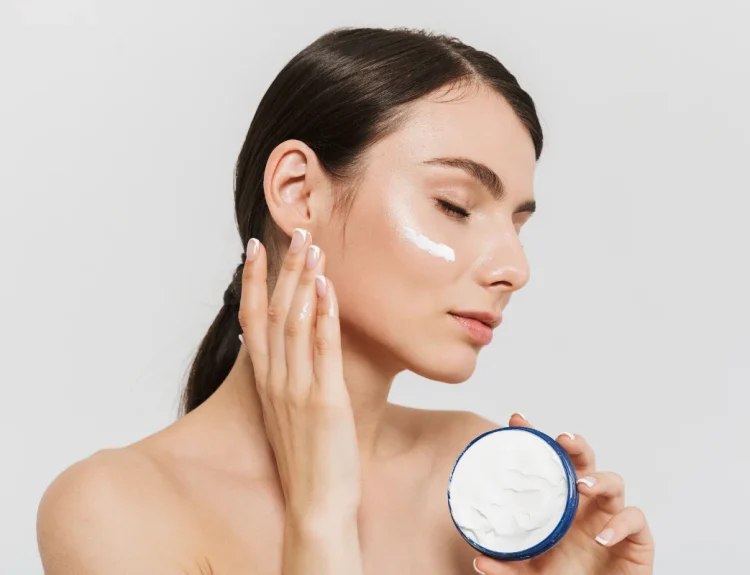
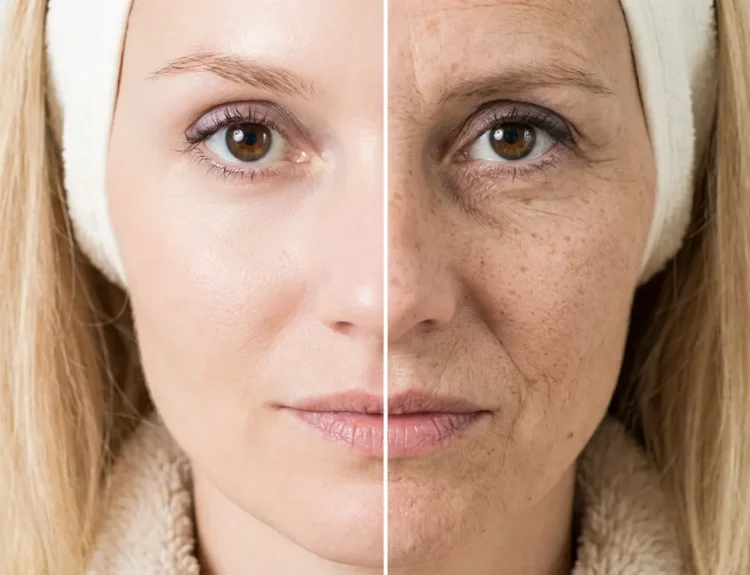
In an age where glowing skin is often associated with youth, beauty, and vitality, it is no wonder that skin care has become a cornerstone of personal well-being and self-care. The importance of maintaining healthy skin goes beyond aesthetics—it is a reflection of our overall health and a vital barrier against the world around us. The skin, the body’s largest organ, plays a crucial role in protecting us from environmental stressors, regulating temperature, and acting as a first line of defense against harmful microorganisms. As such, a thoughtful and consistent skin care routine is not just a luxury but a necessity for preserving both the health and appearance of this remarkable organ.
The Fundamentals of Skin Care
At its core, skin care involves a series of steps designed to cleanse, hydrate, protect, and nourish the skin. These steps may seem simple, but they are pivotal in ensuring that your skin remains vibrant, resilient, and free from blemishes or damage. The essential elements of a skin care routine include cleansing, exfoliating, toning, moisturizing, and protecting with sunscreen. When performed consistently and with the right products for your skin type, these actions can enhance the skin’s natural functions and promote a radiant complexion.
1. Cleansing: The Foundation of Healthy Skin
Cleansing is the first step in any skin care routine and arguably the most essential. It removes dirt, oil, makeup, and impurities that accumulate on the skin throughout the day. Regular cleansing helps prevent clogged pores, which can lead to breakouts, and promotes a clear, smooth complexion. The key to effective cleansing lies in choosing a product that suits your skin type. For example, individuals with oily skin may benefit from a gel-based cleanser that removes excess oil, while those with dry or sensitive skin might prefer a cream-based or hydrating cleanser that doesn’t strip the skin of its natural oils.
Cleansing should be gentle yet thorough, ensuring that all impurities are removed without irritating the skin. It is essential to avoid over-cleansing, which can disrupt the skin’s natural balance and lead to dryness or increased oil production. Most dermatologists recommend cleansing the skin twice daily—once in the morning to remove sweat and any overnight buildup, and once before bed to clear away makeup, pollutants, and excess oils.
2. Exfoliating: Renewing the Skin’s Surface
Exfoliation is the process of removing dead skin cells from the surface of the skin, allowing for the regeneration of new, healthy cells. This step is often overlooked, but it plays an important role in maintaining smooth, glowing skin. Regular exfoliation can help prevent clogged pores, reduce the appearance of fine lines, and improve skin texture. There are two main types of exfoliants: physical and chemical.
Physical exfoliants include scrubs that use granular particles to slough off dead skin cells. While they can provide an immediate sense of smoothness, they should be used with caution, as aggressive scrubbing can lead to irritation or microtears in the skin. On the other hand, chemical exfoliants use acids like alpha-hydroxy acids (AHAs) or beta-hydroxy acids (BHAs) to dissolve dead skin cells without the need for physical abrasion. These acids can offer a gentler and more effective way to exfoliate, particularly for sensitive skin types.
Exfoliating should be done no more than two to three times a week, as over-exfoliation can leave the skin vulnerable to damage and irritation. When done correctly, exfoliation can reveal a more even skin tone and a healthy, youthful glow.
3. Toning: Balancing and Rejuvenating
After cleansing, toning is a crucial step that helps to restore the skin’s natural pH balance. The skin’s pH can fluctuate throughout the day due to environmental factors, such as air pollution, or from the use of harsh cleansers. Toning helps to calm and hydrate the skin, preparing it for the next steps in your routine. Additionally, toners can help tighten the pores, remove any residual impurities, and enhance the absorption of serums and moisturizers.
Modern toners are far more sophisticated than their predecessors. Today’s toners are often enriched with beneficial ingredients like antioxidants, hydrating agents, and soothing botanicals such as chamomile or aloe vera. For individuals with dry or sensitive skin, a hydrating toner with ingredients like glycerin or hyaluronic acid can be especially beneficial, while those with oily or acne-prone skin may opt for toners that contain ingredients like witch hazel or salicylic acid to help control excess oil and prevent breakouts.
4. Moisturizing: Hydration for All Skin Types
Moisturizing is perhaps the most universally essential step in any skin care routine. Regardless of your skin type—whether oily, dry, or combination—proper hydration is necessary to maintain the skin’s barrier function and prevent moisture loss. A good moisturizer helps lock in hydration, keeping the skin plump and supple. It also works to repair and maintain the skin’s protective layer, shielding it from harmful environmental factors like pollution, dry air, and UV radiation.
For dry skin, a rich, emollient moisturizer with ingredients like ceramides, shea butter, or hyaluronic acid is ideal, as it will help replenish lost moisture and strengthen the skin’s barrier. For oily or acne-prone skin, a lighter, non-comedogenic formula that provides hydration without clogging pores is best. Even those with oily skin need moisture, as failing to hydrate can lead to an imbalance that can make the skin overcompensate by producing more oil.
5. Sun Protection: The Vital Shield
One of the most important aspects of skin care, and arguably the most overlooked, is sun protection. Daily application of sunscreen is critical to protecting the skin from the harmful effects of ultraviolet (UV) rays, which can cause premature aging, hyperpigmentation, and an increased risk of skin cancer. UV rays penetrate the skin, damaging the DNA of skin cells and leading to oxidative stress, which accelerates the breakdown of collagen and elastin, the fibers that keep the skin firm and elastic.
Broad-spectrum sunscreen with an SPF of 30 or higher should be applied every morning, even on cloudy days or when staying indoors, as UVA rays can still penetrate windows. For optimal protection, sunscreen should be reapplied every two hours, or more often if swimming or sweating. Mineral sunscreens containing zinc oxide or titanium dioxide are great options for sensitive skin, while chemical sunscreens may provide a lighter feel for those who prefer a less visible finish.
Tailoring Your Skin Care Routine to Your Skin Type
While the basic principles of skin care remain the same, every individual’s skin is unique, and understanding your skin type is key to selecting the right products. Skin types are generally categorized as oily, dry, combination, or sensitive, each requiring different care.
-
Oily Skin: Characterized by a shiny complexion and enlarged pores, oily skin benefits from products that regulate sebum production without stripping the skin of its natural moisture. Gel-based cleansers, oil-free moisturizers, and oil-controlling toners can help balance the skin’s oil levels.
-
Dry Skin: Dry skin often feels tight, rough, or flaky, and requires products that help restore moisture and prevent dehydration. Rich creams, hydrating serums, and oils are key for maintaining the skin’s natural moisture barrier.
-
Combination Skin: With both oily and dry areas, combination skin requires a balanced approach. Lighter, oil-free moisturizers for the T-zone and richer products for the cheeks can help maintain equilibrium.
-
Sensitive Skin: Sensitive skin reacts to certain ingredients, resulting in redness, irritation, or inflammation. Gentle, fragrance-free products with soothing ingredients like aloe vera, chamomile, or calendula are ideal for minimizing irritation.
Lifestyle Factors That Influence Skin Health
While skincare products play a crucial role, maintaining healthy skin goes beyond the topical. Lifestyle factors, such as diet, hydration, sleep, and stress management, also contribute significantly to skin health.
-
Diet: A diet rich in antioxidants, vitamins, and healthy fats can support skin health from within. Foods like berries, leafy greens, nuts, and fatty fish provide essential nutrients that protect the skin from oxidative damage and inflammation.
-
Hydration: Drinking sufficient water throughout the day helps to keep the skin hydrated, plump, and glowing. Proper hydration supports the skin’s natural ability to repair and renew itself.
-
Sleep: Quality sleep is essential for skin regeneration. During deep sleep, the body repairs damaged cells and produces collagen, essential for maintaining skin’s elasticity and youthful appearance.
-
Stress Management: Chronic stress can lead to the release of cortisol, a hormone that breaks down collagen and leads to acne, dryness, and other skin concerns. Regular exercise, mindfulness practices, and adequate rest can help manage stress levels and improve skin health.
Conclusion: A Holistic Approach to Skin Care
Skin care is not just about achieving clear, glowing skin—it is about cultivating a healthy, balanced relationship with your body’s largest organ. By adopting a thoughtful, consistent skincare routine that suits your skin’s unique needs, you can help preserve its natural beauty and function for years to come. Remember, skin care is a long-term commitment that reflects how we care for ourselves, both inside and out. Through the right products, a balanced lifestyle, and mindfulness in our approach, we can all enjoy the rewards of radiant, healthy skin.